
Judicious, Inc. x Datanyze
Content Marketing Case Study

More isn’t always better. Often, it’s simply more of the same.
Most companies don’t lack data or content ideas. What they lack is clarity. The instinct is almost always to create more—more posts, more pages, more noise—without stopping to ask whether any of it is actually useful. But when “more” is paired with strategy, consistency, and strong execution, it becomes a competitive advantage.
In 2015, Datanyze came to Judicious, Inc. with a clear objective: use what they already knew—their proprietary data and lived experience in the SaaS sales space—to say something smarter, more grounded, and more useful than what was already out there.
Judicious partnered with Datanyze on a long-term, end-to-end content marketing initiative—content ideation, writing, search engine optimization (SEO), image editing, and, when it added clarity rather than clutter, charts and graphs. Judicious also managed blog implementation and publishing, moving work from idea to live production with consistency and intention. The result was a consistent volume of content built to perform—and built to last.
Rather than chasing volume for its own sake, we stayed focused on relevance. The content centered on sales development representative (SDR) development and SaaS sales strategy, answering the real questions sales teams were already asking: how to shorten the sales cycle, how to structure teams effectively, and how compensation and incentives shape behavior.
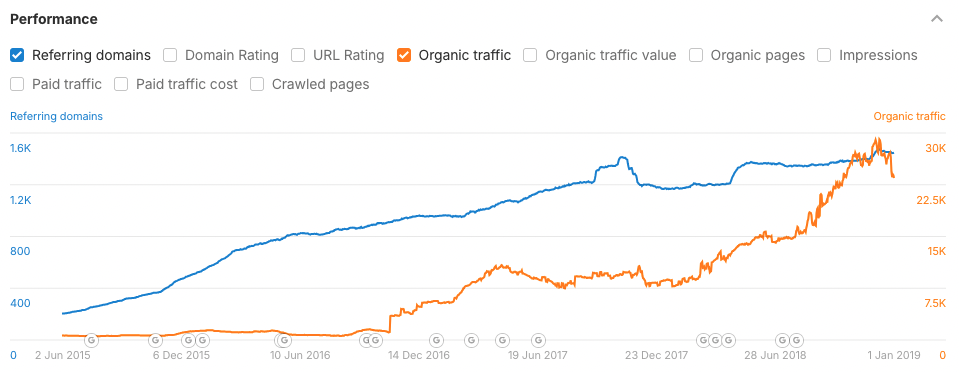
Over time, the work delivered steady year-over-year growth in organic website traffic—one of the clearest signals that the content was being found by the right audience. That increased visibility strengthened Datanyze’s brand awareness in the SaaS sales category and supported real business growth, including increased inbound demand and monthly recurring revenue (MRR).
In 2018, Datanyze was acquired by ZoomInfo.
The work reflects Judicious's approach to content: start with what a company already knows, respect the intelligence of the audience, and write with restraint. The goal isn’t to add to the noise—it’s to create work that earns its place and continues to compound in value long after it’s published.
Feeling Chatty?
We love sharing our expertise and helping businesses improve. Feel free to
message us below: